Destination 6 – Berlin, Germany
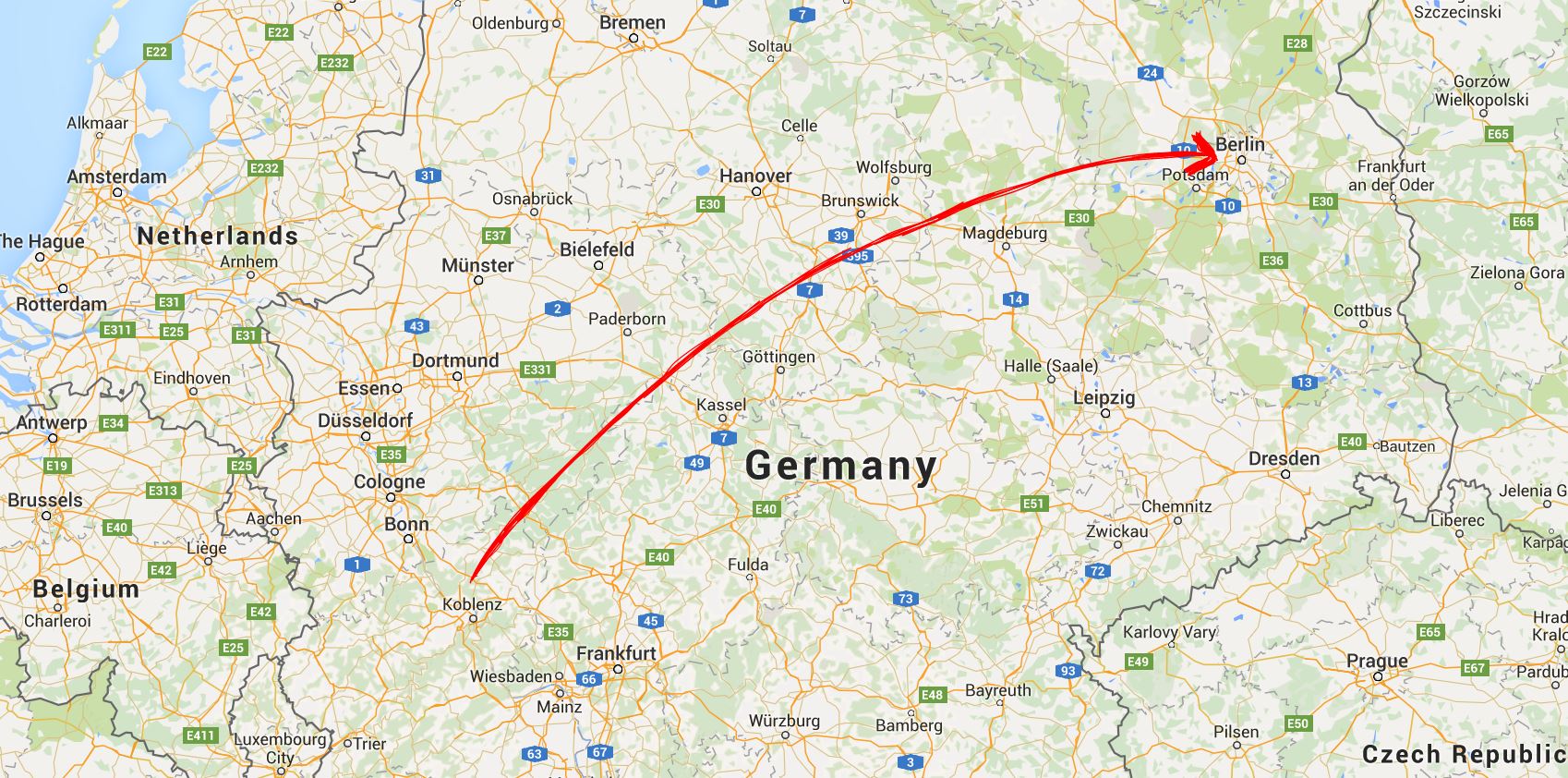 Where? Garden Living Boutique Hotel
When? Monday 8 June – Friday 12 June
Official language? German
Interesting facts I’ve learnt about Berlin:
- Berlin is the capital of Germany and the country’s largest city.
- Berlin is a big city, apparently 9 times the size of Paris!
- The Berlin Wall, which sadly divided east and west Berlin from 1961, was only destroyed one year before I was born, in 1989. Learning the city was segregated only 26 years ago is a definite eye-opener to how recent some of Berlin’s history really is.
- Berlin is home to the longest open-air gallery in the world, the East Side Gallery, which is a 1.3km stretch of remaining Berlin Wall painted by artists.
- Berlin is apparently Germany’s greenest city but we felt we were constantly surrounded by grey concrete buildings!
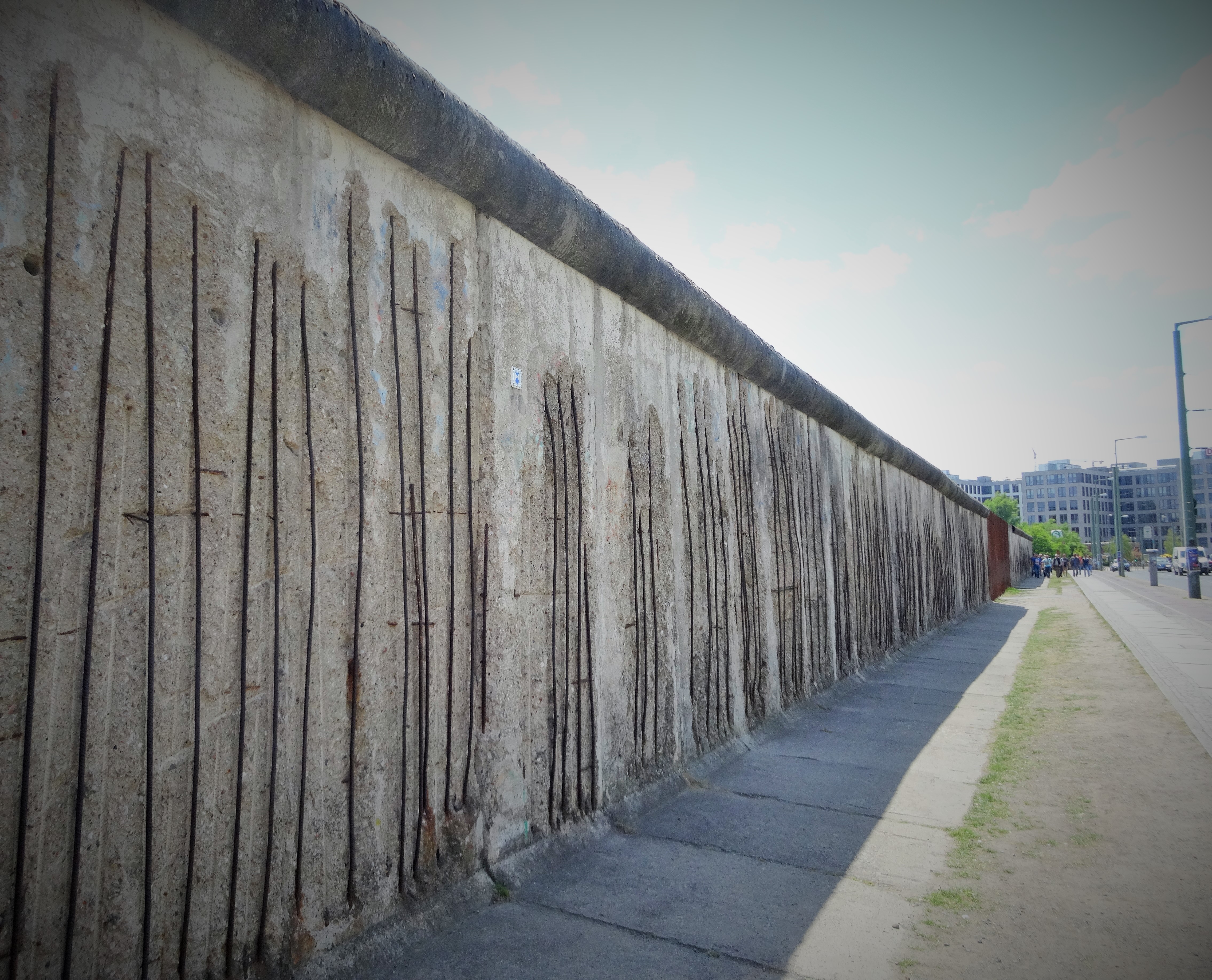
Remnants of the Berlin Wall
A snapshot of thoughts and insights I have gained over the past few days in Berlin:
- I really didn’t like Berlin but a part of me feels, after reading up more and talking to people, that we only skimmed the surface and missed the true beauty that so many discover.
- Stereotypically, Germans are known to be precise, matter of fact and stern. Berlin does not represent the stereotype. Berlin is described as a hub for the creative and the alternative. Compared to the rest of Germany, Berlin is a little rebel!
- My negative feelings aside, this city has been rejuvenated, bouncing back from a horrific past. Berlin has a dark history that isn’t hidden away, it’s put out there as it is. In a way, I respect the honesty. I chat with my friend Julia while in Koblenz, Germany and she says it’s important not to forget what went on. It’s important that we talk about it and acknowledge it so people are reminded that there is nothing to be gained from war.
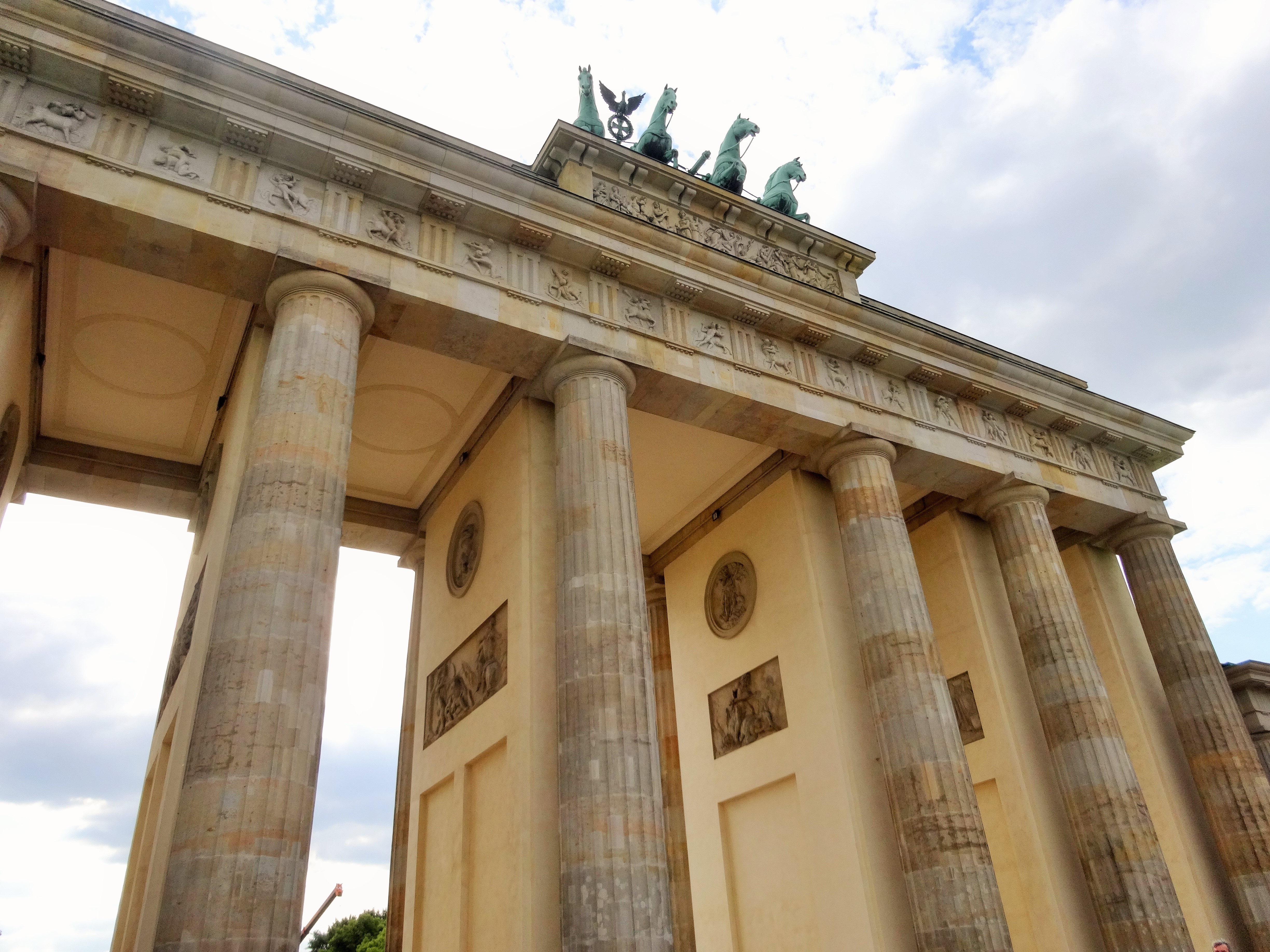
Brandenburger Tor (Brandenburg Gate), a famous German landmark
I had high expectations for Berlin. I’ve heard so many people sing its praises. I read articles online before coming here, all of which described Berlin so glowingly. Vibrant, diverse, cultural, alternative, unpretentious, unpredictable…I was ready to be whisked off my feet by this so-called charismatic city.
I wanted so much to love Berlin. I woke up each day hoping we would stumble upon the irresistible Berlin that others talk about, but we rarely did. The word that best sums up Berlin in my opinion? Grey. While it’s the capital of Germany, it somehow feels deserted. There’s a lack of colour, a lack of atmosphere, just generally no spark. We walk around and we’re just constantly surrounded by huge concrete buildings. I wonder, is this really the place that people rave about?
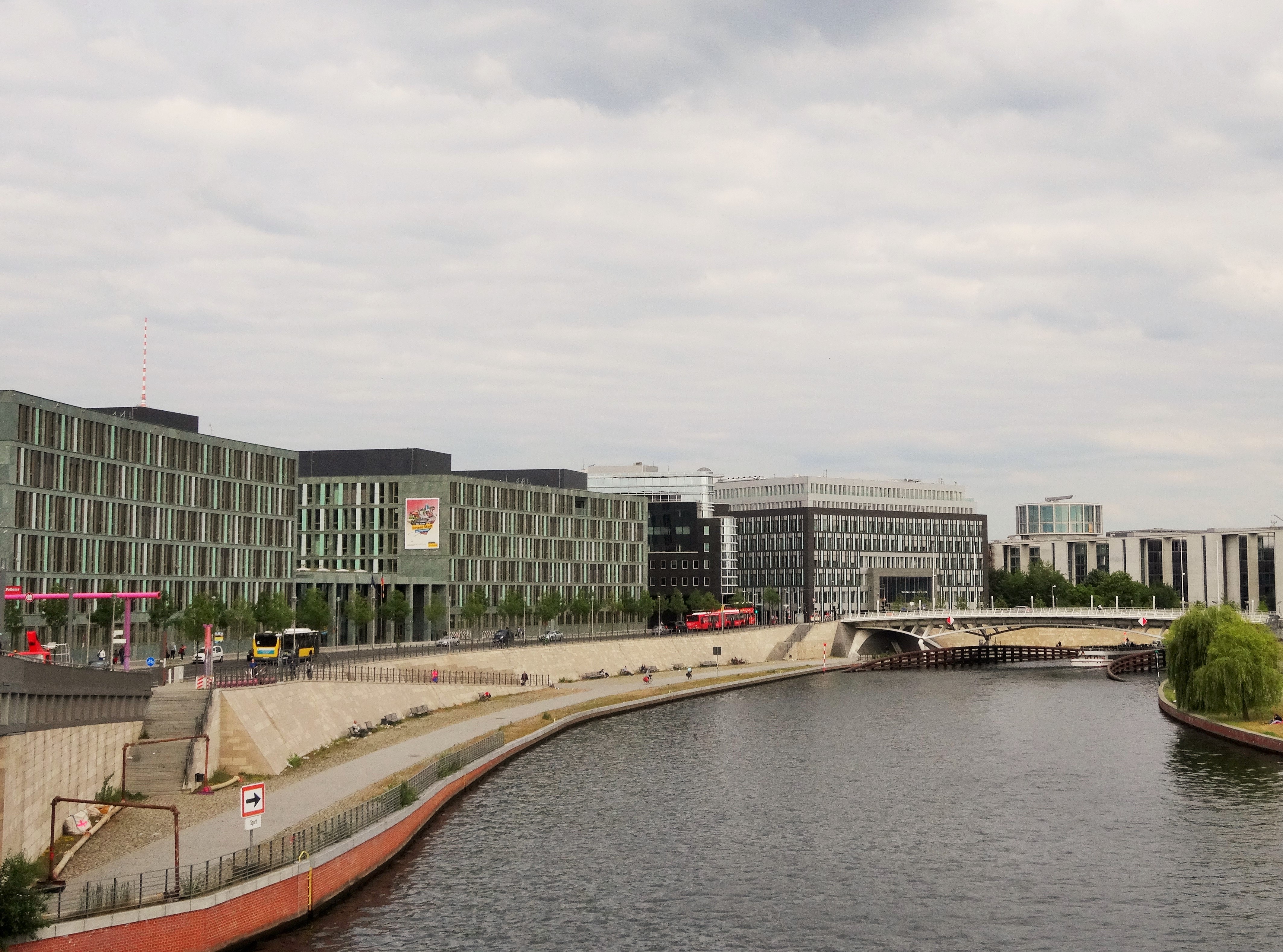
Grey Berlin
In hindsight, I feel that maybe we didn’t explore enough. Maybe the sadness of the history here dampened everything else that we experienced. Maybe we’re too close-minded, not cool enough to appreciate the grittiness. Whatever it may have been, Berlin was certainly not our cup of tea!
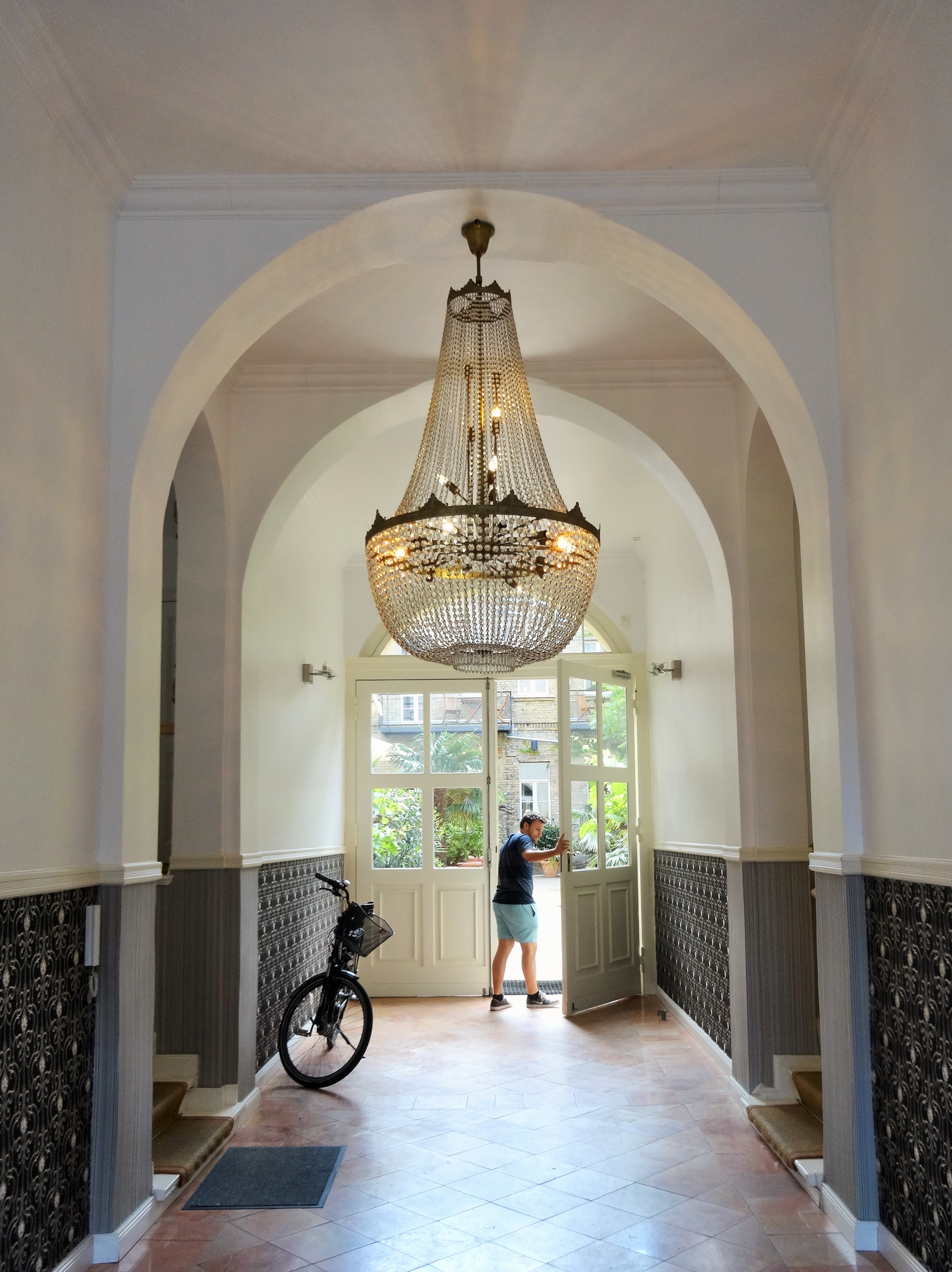
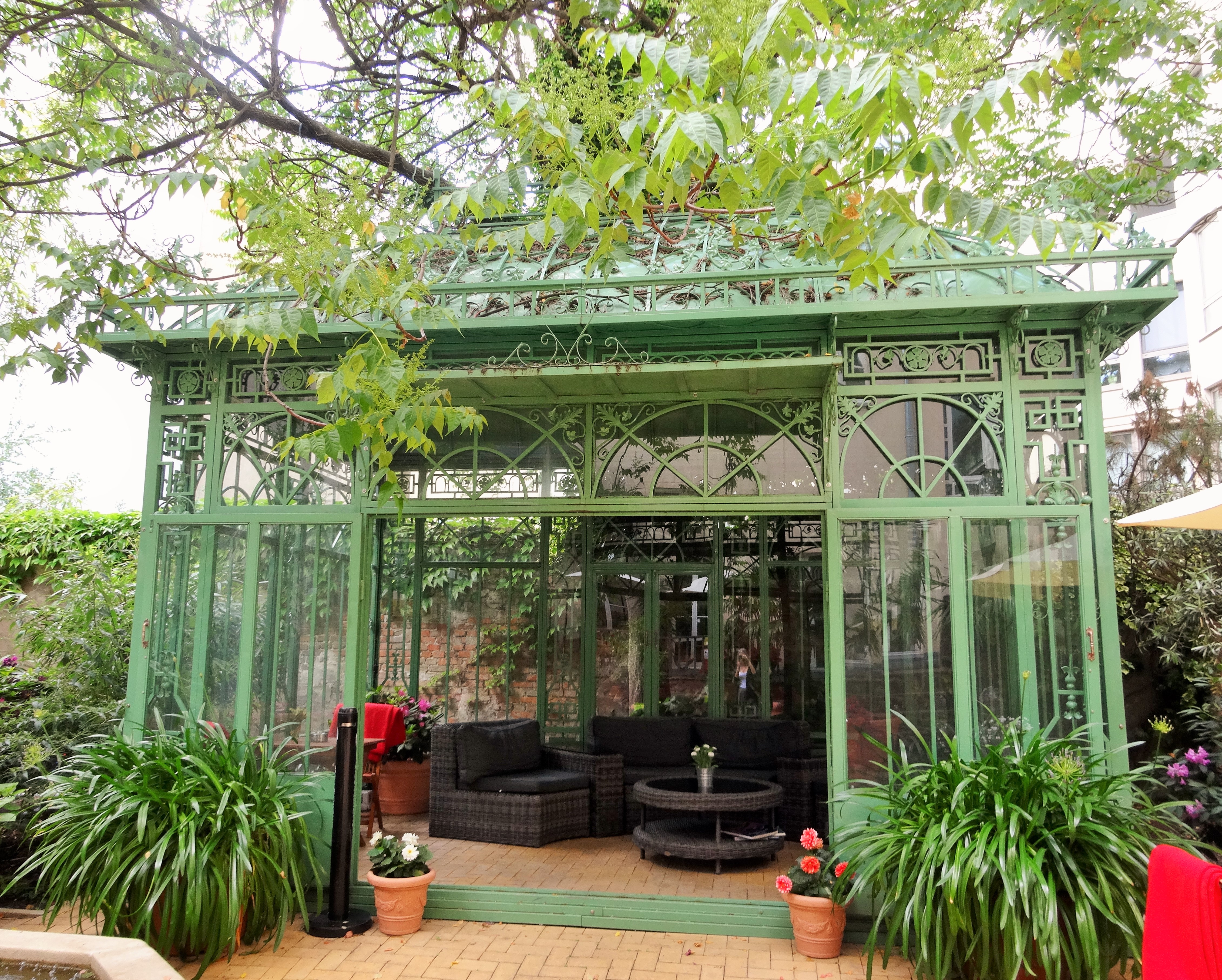
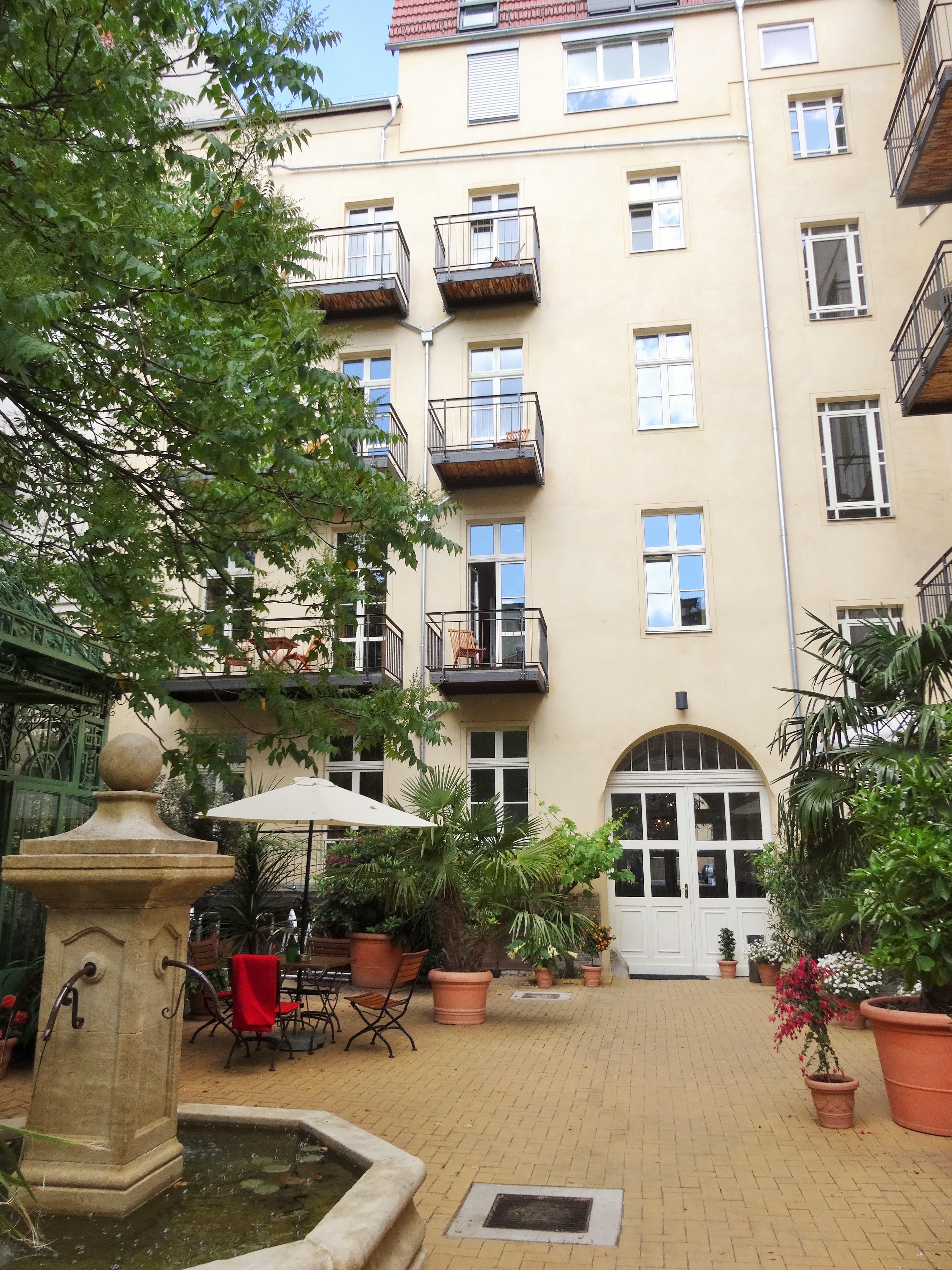
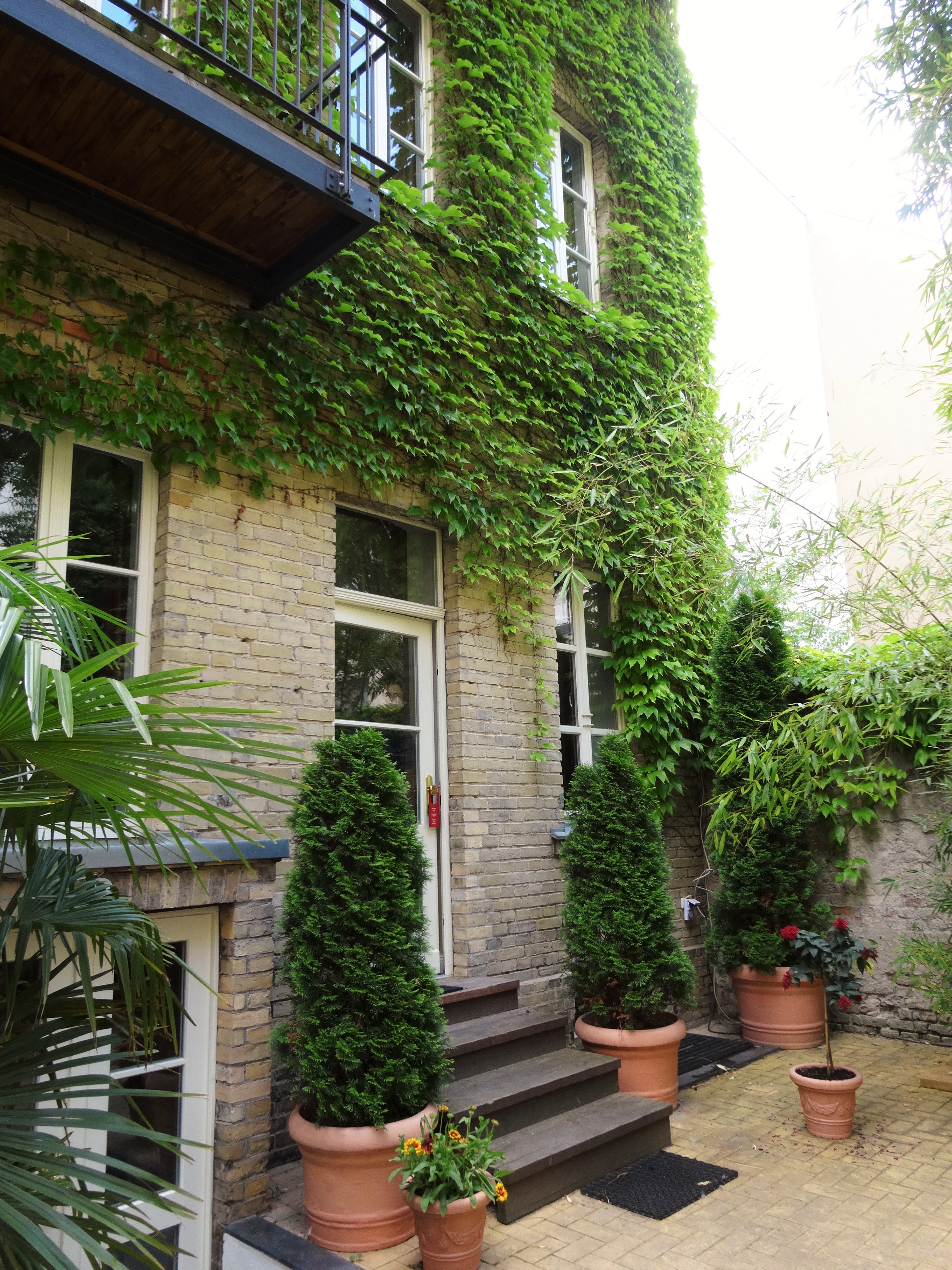
It would be unfair to say though that absolutely everything was disappointing. Our accommodation was a little pocket of paradise. A green oasis. Located in the Mitte district, the historical centre of Berlin, you would never expect to find a place like this but as you walk through the door you leave the grey behind and you’re welcomed into a tranquil garden with a water fountain and a glass conservatory. There are tables and chairs scattered all over the paved terrace area with blankets flopped over them in case you get cold. There’s a resident cat, ‘Zimbo’, who wanders around the grounds, when he’s not curled up looking all cosy and cuddly in reception. He comes and visits us in our room every now and then, climbing through the window to say hello.
 What is fascinating in Berlin is the history. I don’t imagine there’s many other places in the world that have been so devastated by war and conflict. The history here, heart-wrenching as it is, isn’t hidden away. It’s really well documented. There’s countless sites, museums and memorials, that outline the horrific truth of what went on here, and in wider Germany and Europe, during World War II and during the 60s, 70s and 80s when the city was segregated by the Berlin Wall.
We begin our first full day in Berlin with a visit to the Berlin Wall Memorial. I learn that the wall, nicknamed the ‘Iron Curtain’ was constructed in 1961 by the Communist East German authorities to stop those from the east traveling to the west of Berlin. For some, this meant they were separated from their family and friends and from their place of work. Imagine not being able to cross to the other side of your city? Even worse, knowing that on the other side, they were enjoying democracy while you suffered. The standard of living on the west was considerably higher than those endured on the east so unsurprisingly, many people tried to cross the wall. Estimates vary but approximately 200 died at the wall. After much protest and the opening of new points of entry from the east to the west through Hungary and the then Czechoslovakia, the wall was destroyed in 1989.
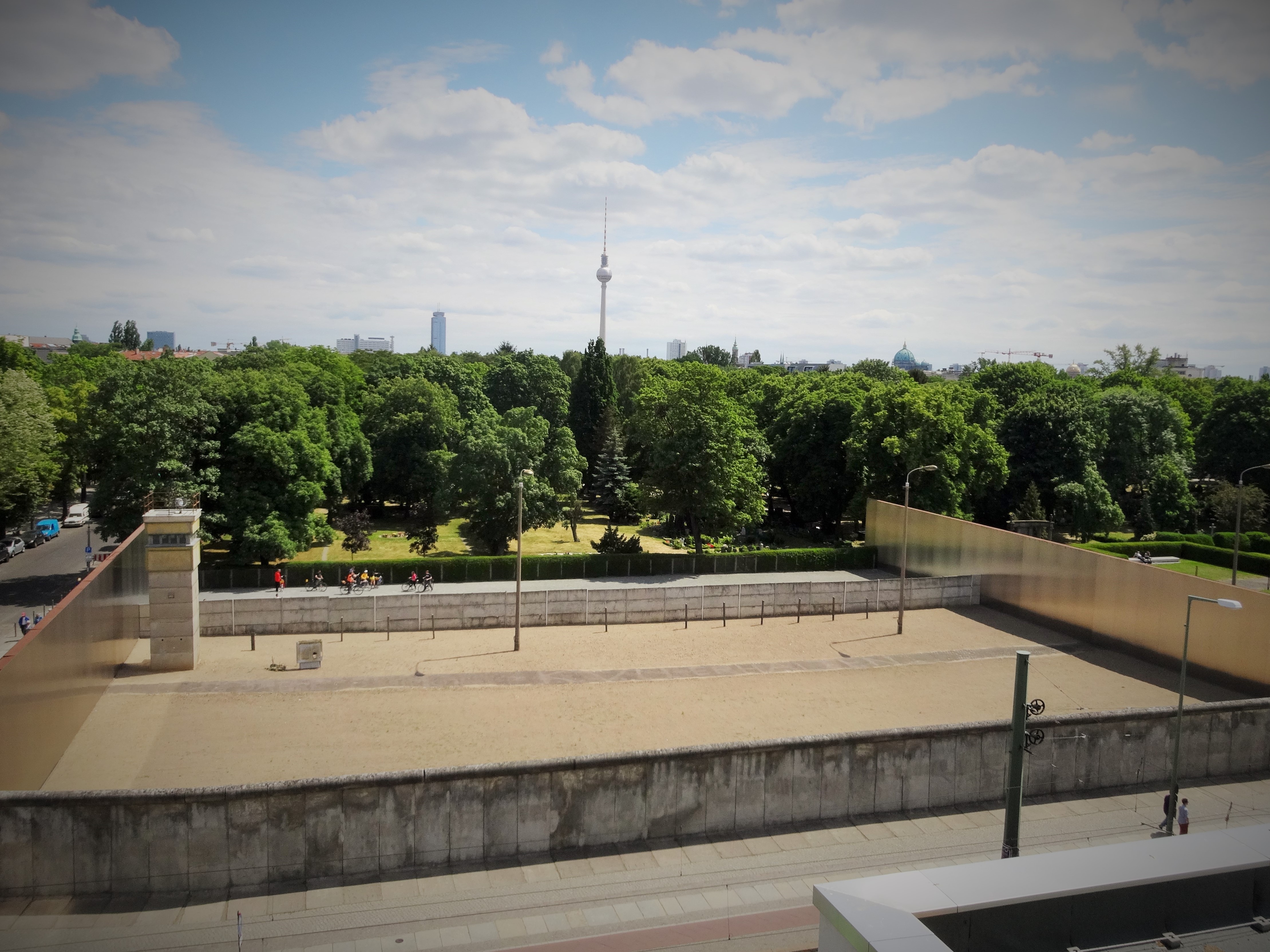
A conserved section of the Berlin Wall
Each day John and I are deeply saddened by the sights we see and the stories we read. Sure, I had some idea of what went on in World War II but nothing can prepare you for the way you feel when you’re in a city where such tragedy unfolded. John and I take a tram 50 minutes east from the city centre to visit the Berlin Hohenschonhausen Memorial, a former East Germany Ministry of State Security prison. Many prisoners, it’s predicted about 3,000, died here. The prison was actually wiped off the map for many years so it was seemingly non-existent to the public, besides those that worked there. Offices of the prison management staff are still intact, appearing just as they would have back then. We walk through them and feel a sense of disbelief and anger. How could you ever live with yourself knowing what was going on in this prison? Torture of all manners occurred with many of the prisoners living in the most dire conditions.
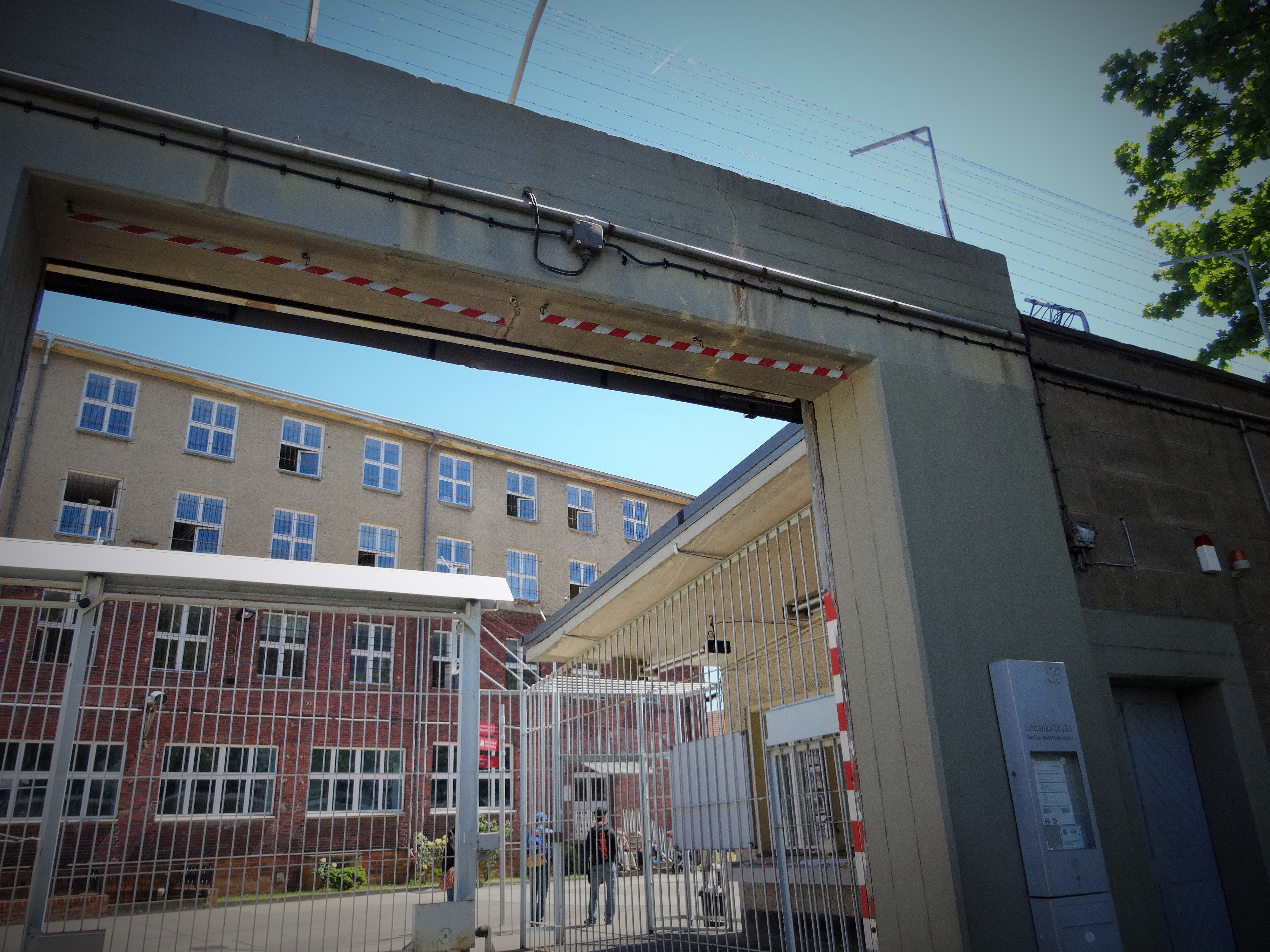
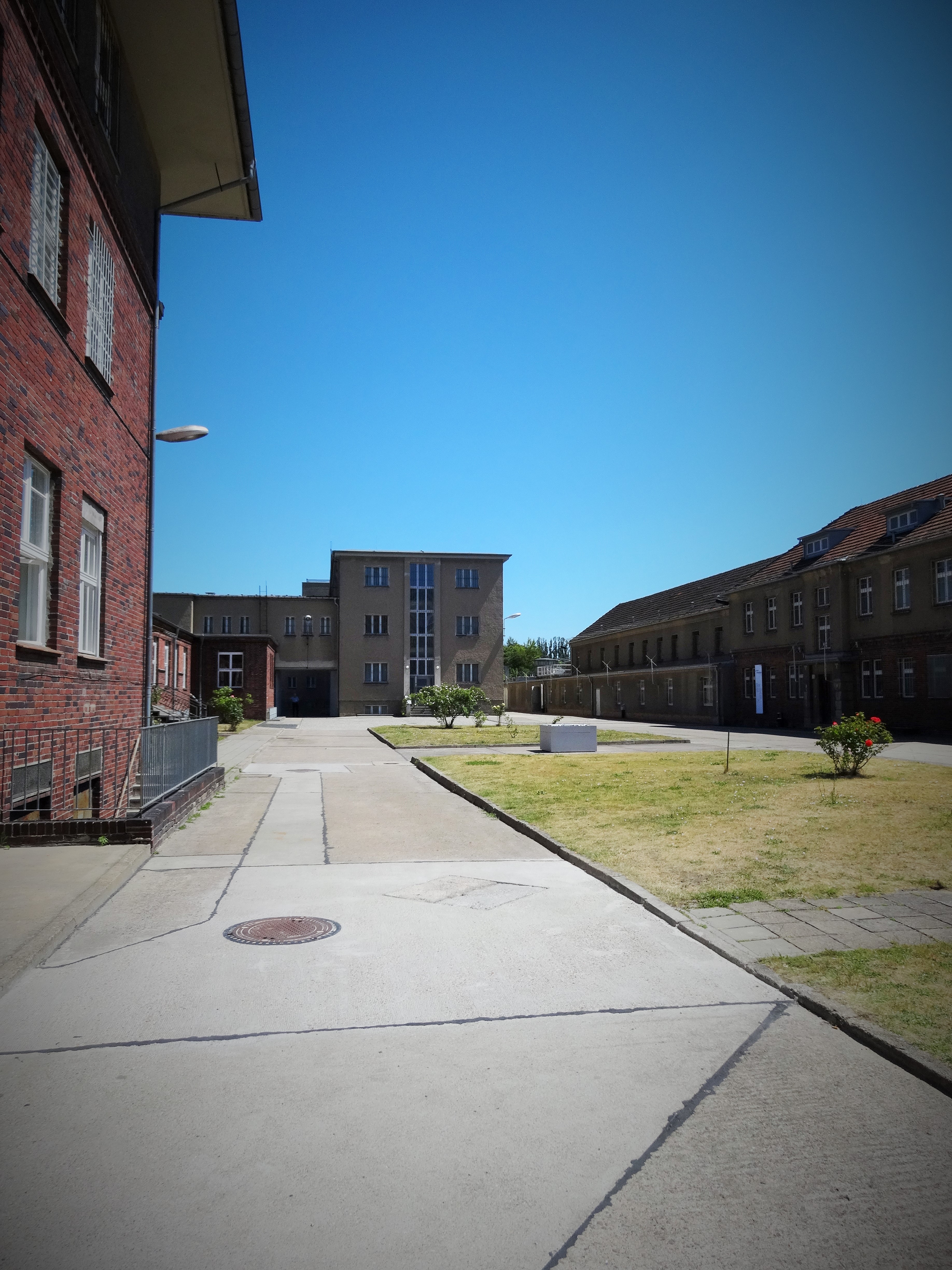
Berlin Hohenschonhausen Memorial
We also visit what’s known as the ‘Topographie des Terrors’ (Topography of Terror), a former site of the Gestapo (secret police of Nazi Germany) during the Nazi regime. This site is now a museum that documents how Hitler took control with the assistance of the Gestapo. It’s outlined that the reason so many innocent people were put into concentration camps was due to the creation of legislation which enabled the Gestapo to imprison people without judicial hearings. They basically, to the detriment of fairness, rose above the law.
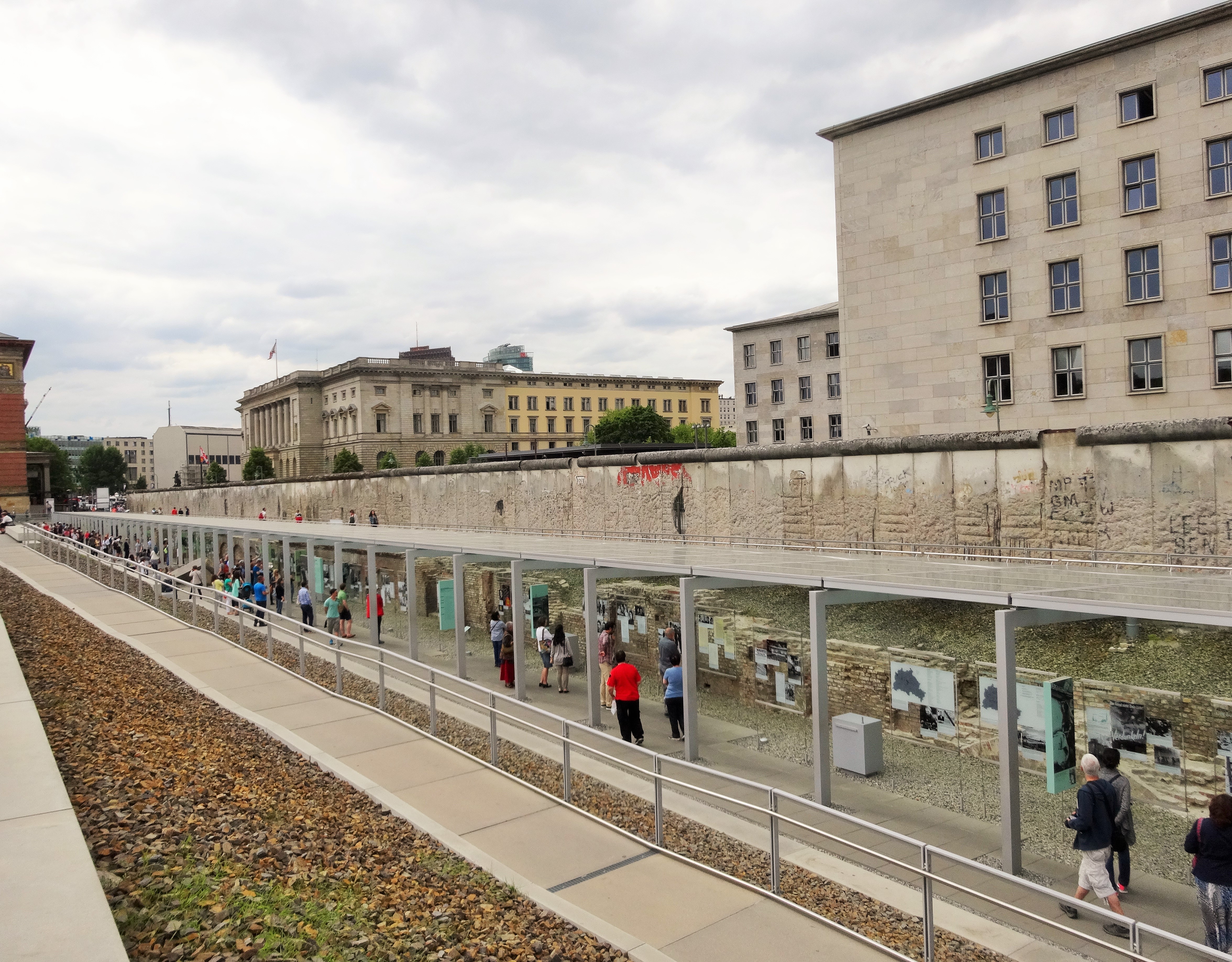
The outdoor section of the Topographie des Terrors
There are photos here of people that were put into concentration camps because they were Jewish, they were disabled, they opposed the regime or because they were artists in attempt to ‘culturally cleanse’ Germany. Hitler supressed artists that did not produce work that was in line with his view of Germany. Those that produced art that was modern, abstract, influenced by outside cultures or ‘Un-German’ would be prosecuted. I look at the faces of these people, young, old and in between, that are being punished for what they do, who they are and/or what they believe in and my heart breaks. I want to reach into the photo and somehow pull them out of that situation.
In an attempt to lift our spirits, we tick off many of the items on the tourist ‘to do’ list, exploring the city and squeezing in lots of sightseeing. As mentioned though, the city is grey, many of the famous landmarks are under construction and without hopefully seeming too harsh, Berlin just generally lacks warmth. The people here aren’t exactly friendly either. You hear Parisians are bad but I think the locals here are worse! I ask a couple of people, in German, if they can speak English and they screw their faces up and snap, “Of course I can!” After a particularly rude middle-aged man snaps at me, I forget about trying to be polite and start conversations in German. I just launch into English. People seem insulted when I ask them if they speak English, maybe they feel it’s a given and that I shouldn’t ask such a question!
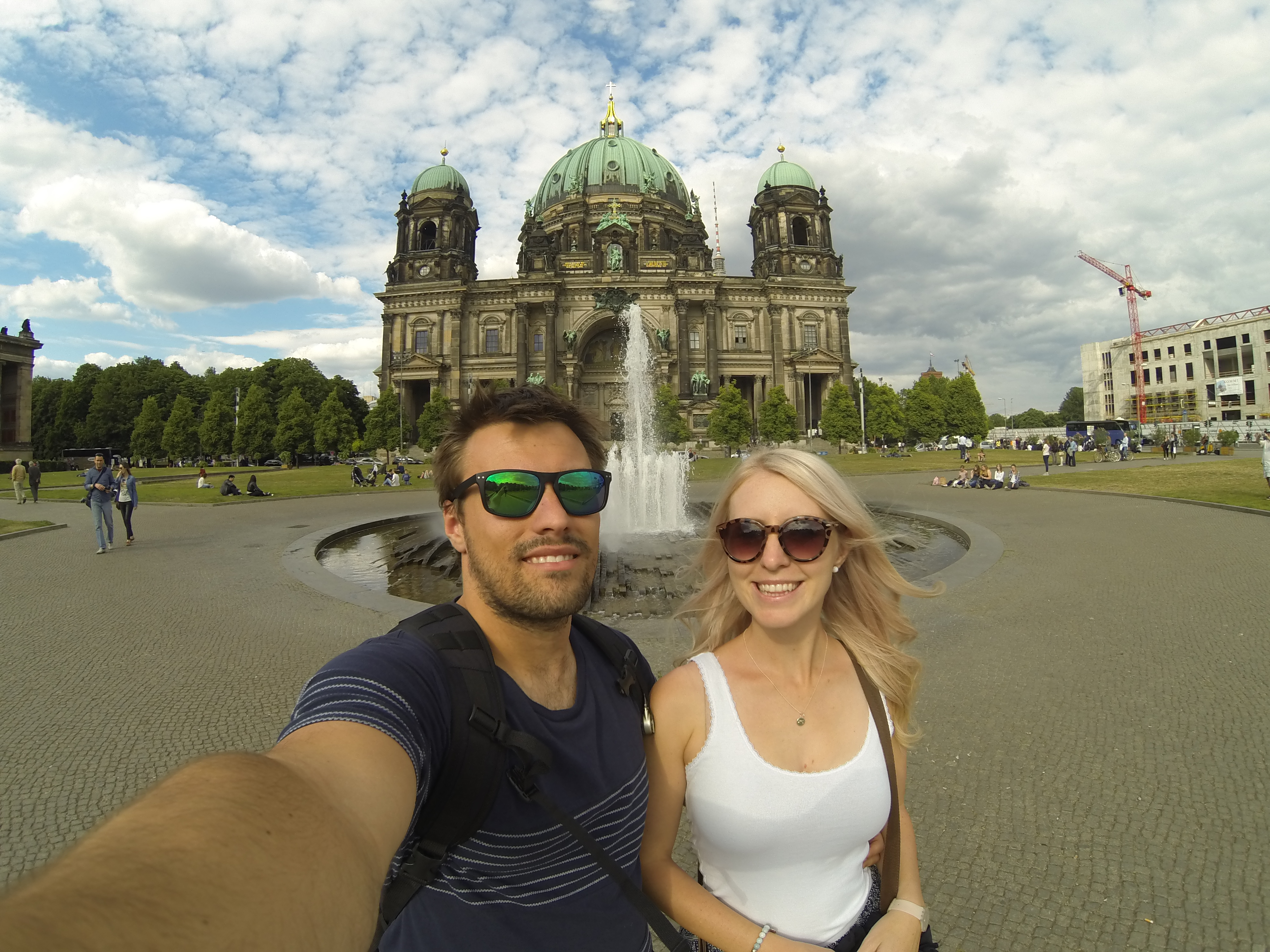
Berliner Dom (Berlin Cathedral)
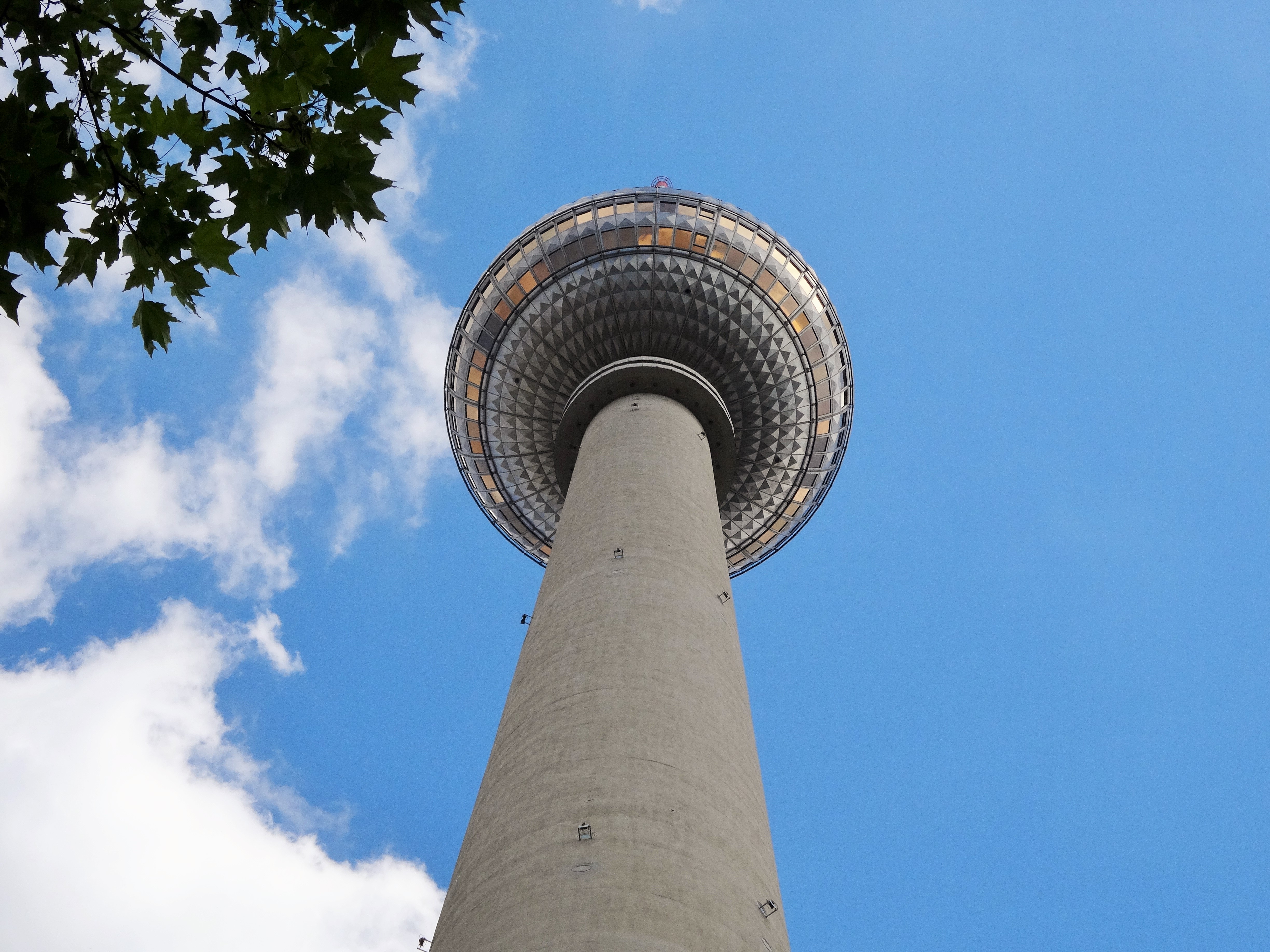
Television Tower
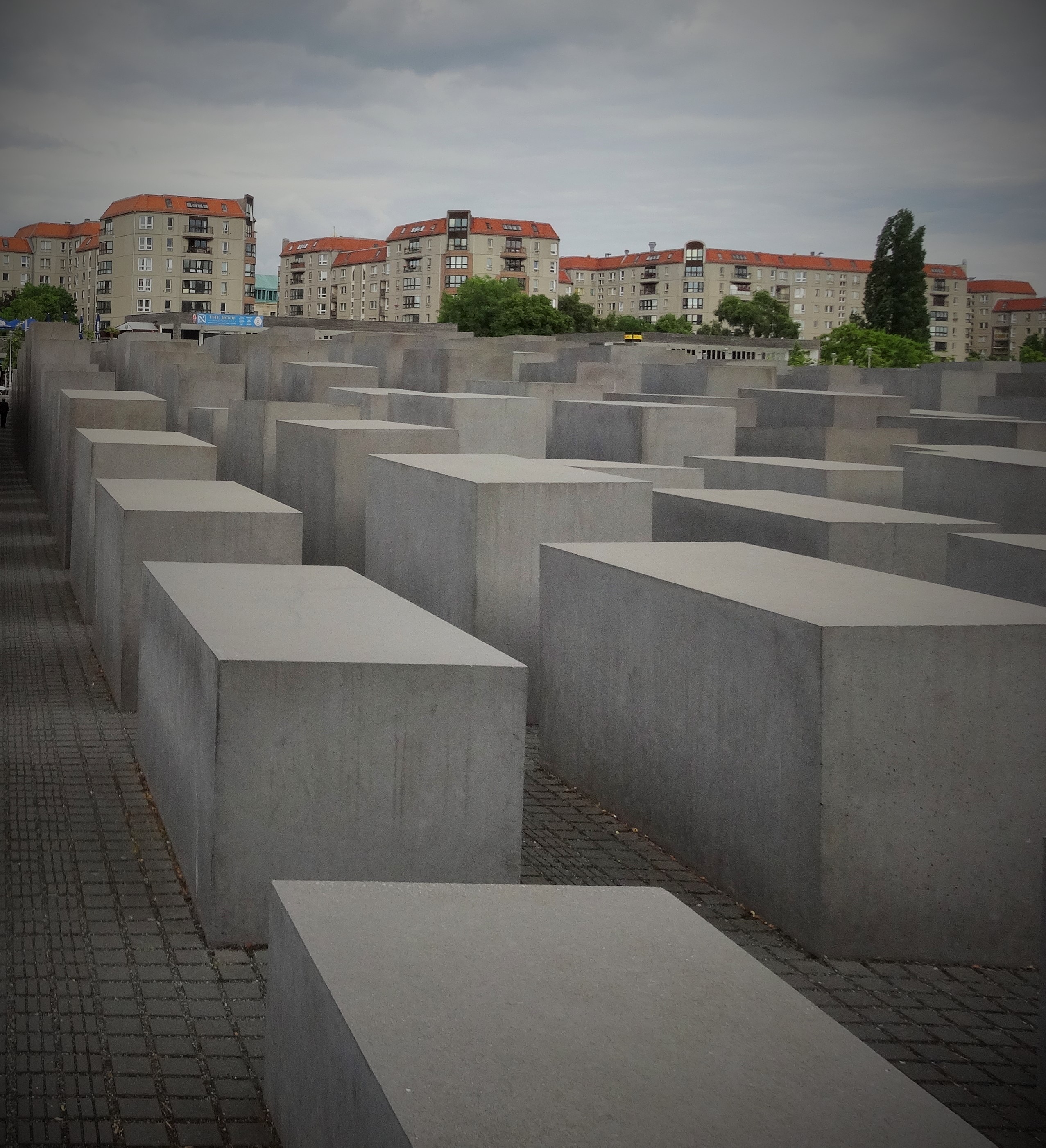
The Holocaust Memorial – Designed to replicate the confusion that Jewish people would have felt during the Nazi regime.
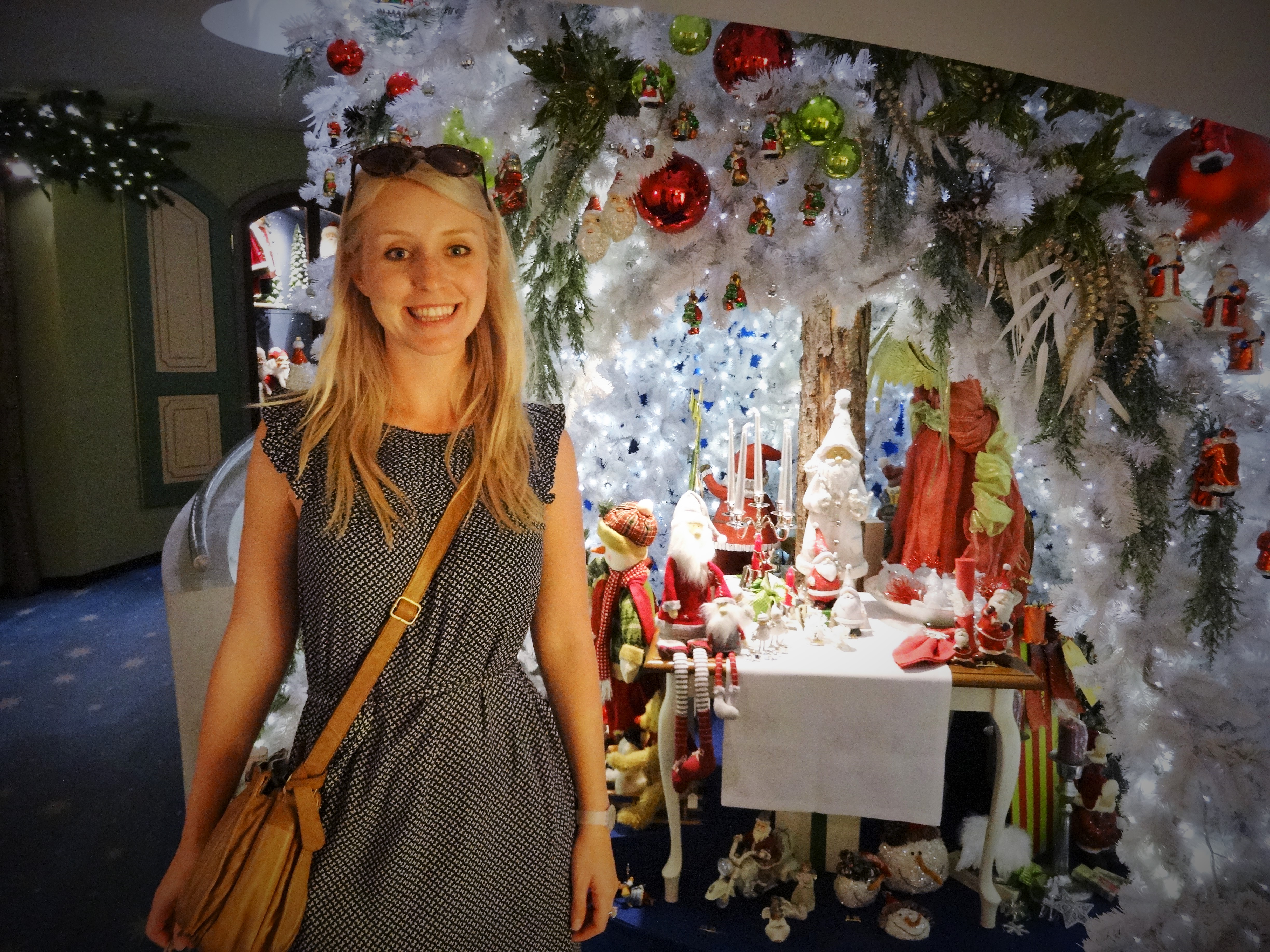
For those of you that don’t know, I’m obsessed with all things Christmas! You can imagine my excitement when we stumble upon a Christmas shop! It’s storeys high with a giant Christmas tree that runs through the middle!
It doesn’t sit well with me to write negatively about a city but I feel I should be honest. I didn’t like Berlin but hey, many others adore the city. Hopefully when reading this, I’ve also managed to convey to you that there are things about Berlin that I admire. Up until now, my experience in each of the cities we have visited has been beyond a dream. As much as I’d love to say that Berlin was another city I just didn’t want to leave, that wouldn’t be true. To be honest, I think 4 nights was too long. Berlin wasn’t what I expected. The general look and feel of the city was tired and uninspiring. A surprise because, for so many, Berlin is a favourite.
So do I think you should travel to Berlin? Yes, visit for a couple of days and take in the history. If you’re anything like me, it will upset you, anger you and make you question how such things happened. How such tragedy was orchestrated by one man.
Berlin isn’t a beautiful city. It is, however, a city that will educate you, it will unsettle you and it will make you feel un-cool if you don’t like it. That’s just how Berlin rolls.
 Big Kid Me - Travel Adventures